
Cover of Types of Microscopes
Story languageEnglishEspañol
MicrobesSimple & compound microscopes

Types of Microscopes

By Vaishnavi Renduchintala · Ages 8-15 PDF Book Free

No reviews yet — be the first!

Maya and Arjun look at a drop of pond water with Mrs. Patel and discover how simple and compound microscopes help us see a tiny world of microorganisms that is invisible to our eyes.

People who read this book also read

Cover of The Mystery of the Missing Sandwich
MicrobesBacteria

The Mystery of the Missing Sandwich

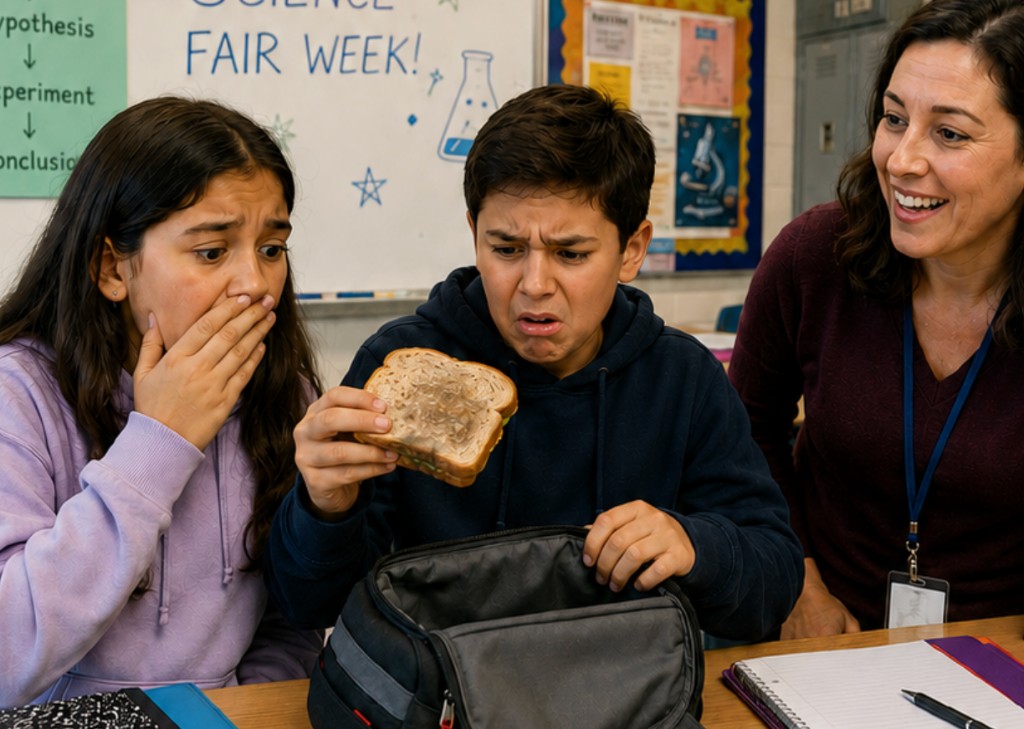
During Science Fair Week, Lila and Jay discover a forgotten sandwich covered in fuzzy patches. With help from Ms. Rivera and a microscope, they explore the invisible world of bacteria—how these tiny living things grow, why some spoil food, and how we can stay healthy.


By Vaishnavi Renduchintala · Ages 8-15

FreePDFNo reviewsView More
Cover of The Secret Beneath the Roots
MicrobesNitrogen fixation

The Secret Beneath the Roots

In Grandma Rosa's sunny garden, two curious kids pull up a bean plant and discover tiny bumps on its roots—and learn how special bacteria help plants capture nitrogen from the air.

By Vaishnavi Renduchintala · Ages 8-15

FreePDFNo reviewsView More
Cover of The Green Lake Mystery
MicrobesAlgae & Algal Blooms

The Green Lake Mystery

When a neighborhood pond turns bright green, two curious kids and Grandma June discover tiny algae, what causes algal blooms, and why too much algae can harm lake life.

By Vaishnavi Renduchintala · Ages 8-15

FreePDFNo reviewsView More

🔬 Science Element

A simple microscope uses one lens (like a magnifying glass). A compound microscope uses more than one lens for greater magnification. Key parts include the eyepiece, objective lenses, stage, stage clips, light source, coarse and fine adjustment knobs, and base. Microscopes help scientists study cells, microorganisms, and other tiny structures.

Rate this story

Your rating (required)

Reader reviews

No written reviews yet.