Types of Microscopes
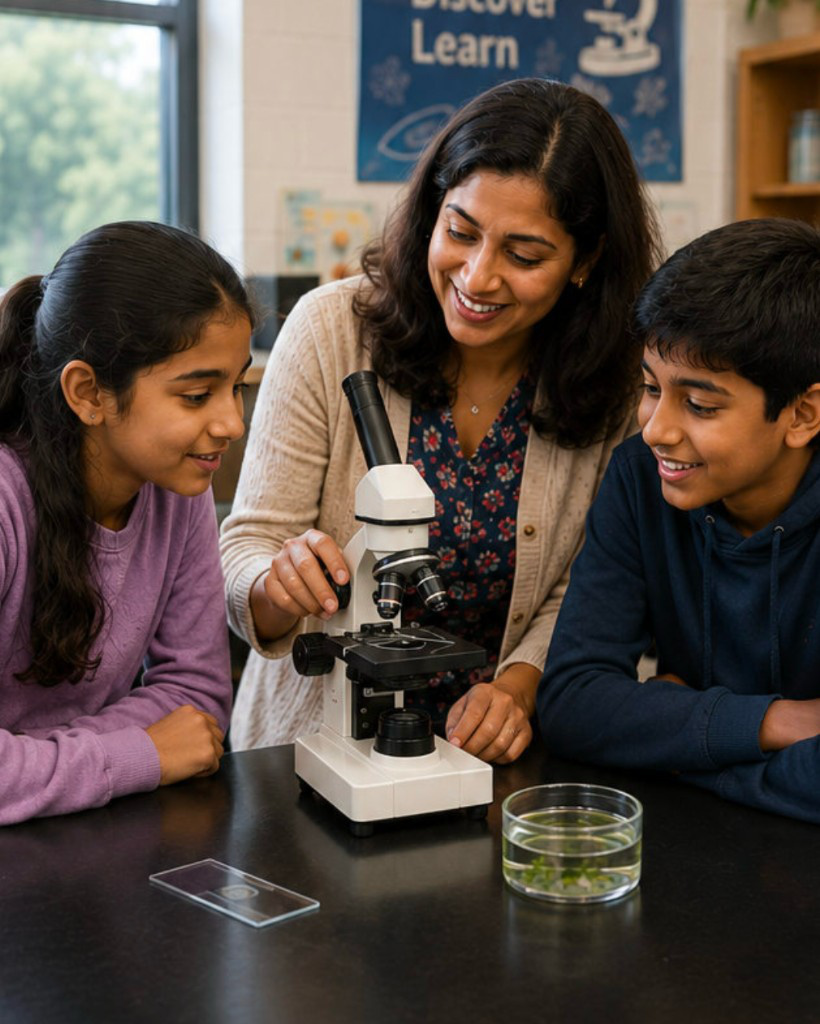
Maya and Arjun look at a drop of pond water with Mrs. Patel and discover how simple and compound microscopes help us see a tiny world of microorganisms that is invisible to our eyes.

Science stories kids actually want to read
Opening your story…
Maya and Arjun look at a drop of pond water with Mrs. Patel and discover how simple and compound microscopes help us see a tiny world of microorganisms that is invisible to our eyes.

On a Saturday morning at the park, Emma and Noah race to the big oak tree—then Dad turns their fun into a physics lesson. With stopwatches, lake loops, and cyclists on the path, they discover how speed, velocity, distance, and displacement are different—and why direction matters.
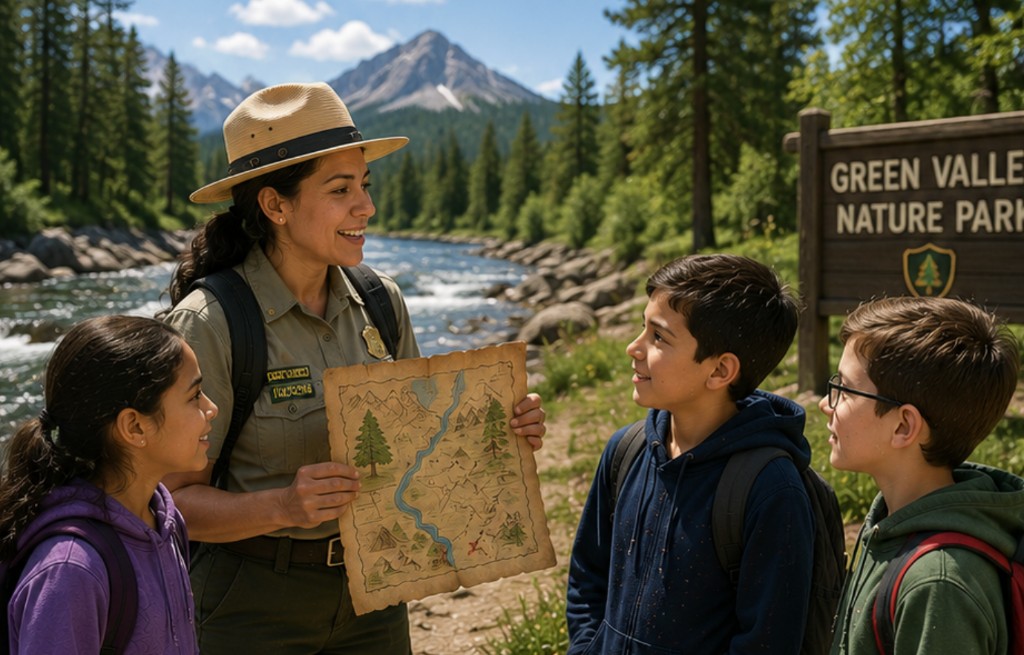
On Outdoor Learning Day, Lila and Jay follow Ranger Maya’s treasure map through Green Valley Nature Park. Along rivers, hills, fields, and forests, they discover that Earth’s real treasures are natural resources—and learn which ones can renew and which ones we must use wisely.
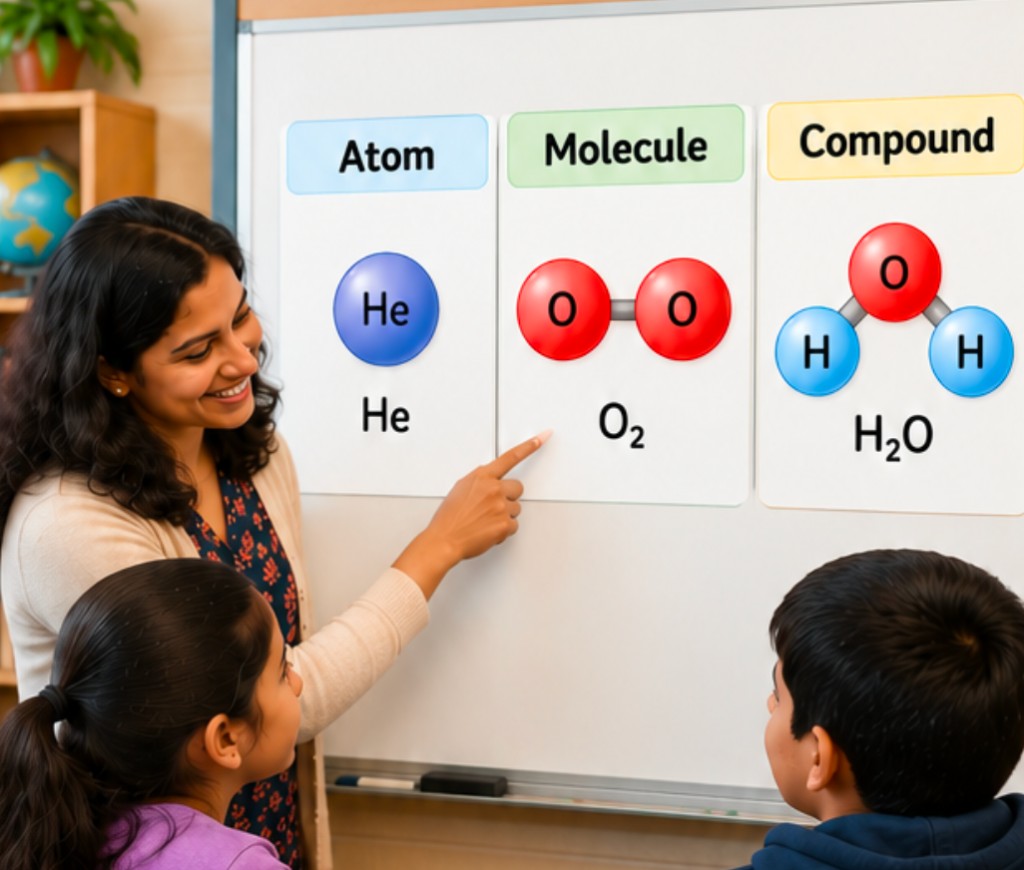
Atoms are the smallest building blocks of matter. Molecules form when atoms join together. Compounds are molecules made of different kinds of atoms, like water (H₂O). Chemistry helps us understand how these tiny pieces make up the world we see.
No written reviews yet.