Cover of El tesoro que nunca se agota
Story languageEnglishEspañol
Earth ScienceRecursos naturales (renovables y no renovables)

El tesoro que nunca se agota

By Vaishnavi Renduchintala · Ages 8-15 Free

No reviews yet — be the first!

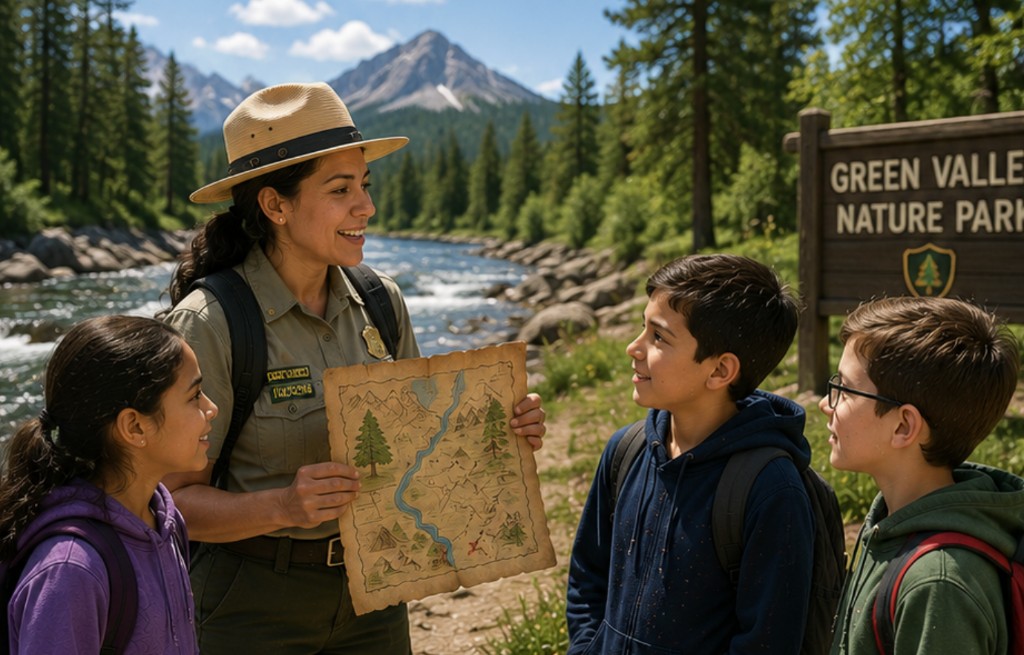
En el Día de Aprendizaje al Aire Libre, Lila y Jay siguen el mapa del tesoro de la guardabosques Maya y descubren recursos naturales renovables y no renovables.

Spanish version coming soon.

This story is not available in Spanish yet. You can keep reading in English, or check back soon for the Spanish PDF and quiz.

Spanish version coming soon.

This story is not available in Spanish yet. You can keep reading in English, or check back soon for the Spanish PDF and quiz.

English

People who read this book also read

Cover of The River That Couldn't Smile
Earth SciencePlastic pollution

The River That Couldn't Smile

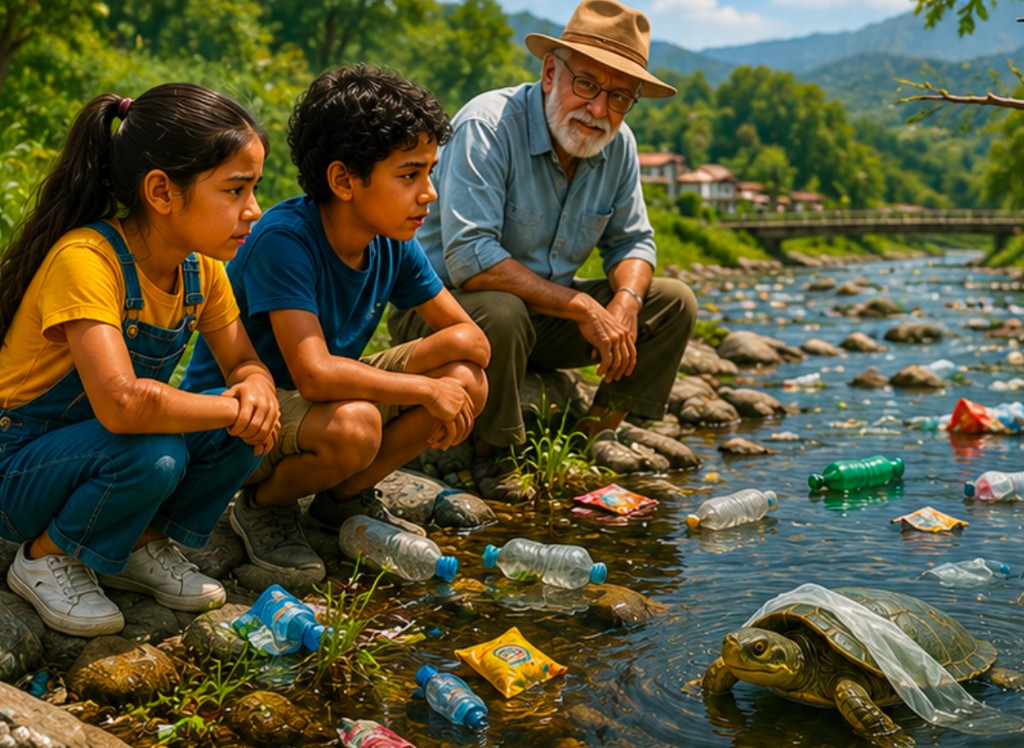
Maya and Leo visit Grandpa Arun’s riverside village and find their once-sparkling river choked with plastic. As they clean up and learn how litter harms wildlife, they discover plastic pollution often starts on land—and that people can help protect rivers and animals.


By Vaishnavi Renduchintala · Ages 8-15

FreePDFNo reviewsView More
Cover of The Wind That Came and Went
Earth ScienceSea Breeze and Land Breeze

The Wind That Came and Went

At a sunny beach, two curious kids feel the cool sea breeze in the afternoon and wonder where the wind goes at night—discovering how land and sea heat up differently and swap gentle breezes back and forth.

By Vaishnavi Renduchintala · Ages 8-15

FreePDF5.0 (1)View More
Cover of The Air that Loved to Climb
Earth ScienceWhy warm air rises and cool air sinks

The Air that Loved to Climb

When a balloon floats upward and warm air curls toward the ceiling, two curious kids discover why air loves to climb—and how heat makes warm air rise while cooler air sinks.

By Vaishnavi Renduchintala · Ages 8-15

FreePDF5.0 (1)View More

🔬 Science Element

Los recursos naturales son las cosas que obtenemos de la naturaleza y necesitamos para vivir y crecer, incluidos comida, agua, aire y energía. Los recursos renovables, como la luz del sol, el agua, el viento y los árboles, pueden reemplazarse de forma natural en poco tiempo si los usamos con cuidado. Los recursos no renovables, como el carbón, el petróleo, el gas natural y los metales, tardan millones de años en formarse y no pueden reemplazarse en nuestra vida. El carbón, el petróleo y el gas natural son combustibles fósiles formados a partir de plantas y animales antiguos. Podemos ayudar ahorrando agua y energía, plantando árboles y reduciendo, reutilizando y reciclando.

Rate this story

Your rating (required)

Reader reviews

No written reviews yet.