Types of Microscopes
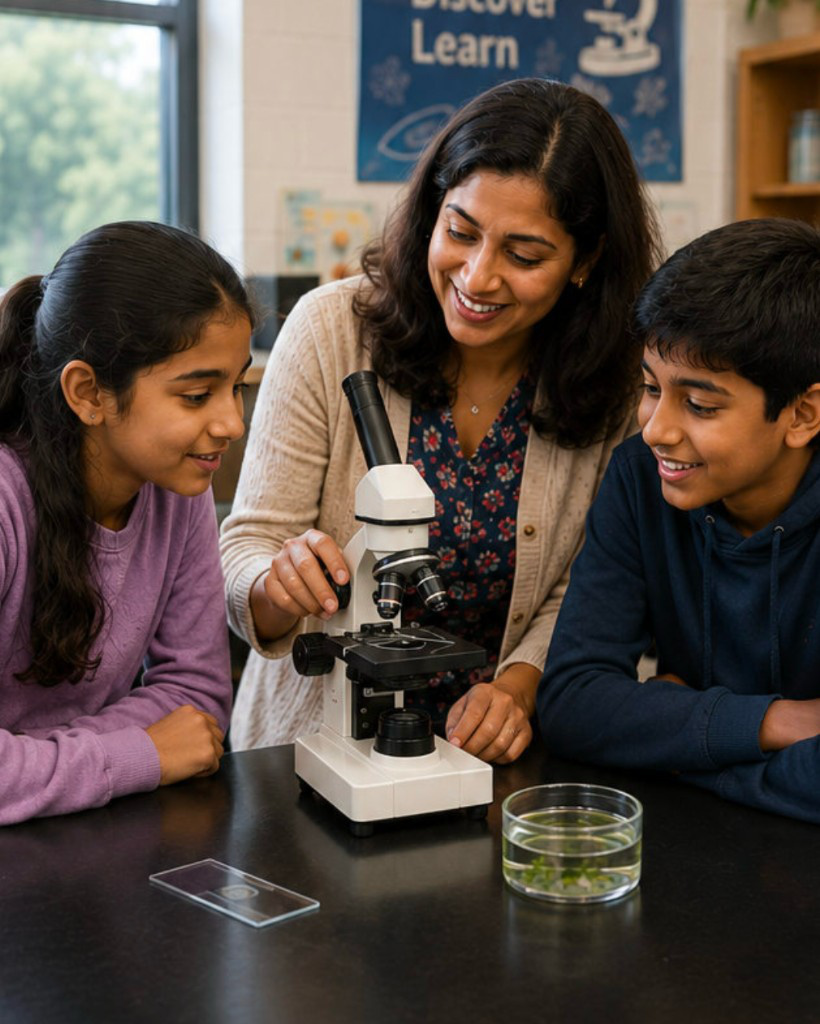
Maya and Arjun look at a drop of pond water with Mrs. Patel and discover how simple and compound microscopes help us see a tiny world of microorganisms that is invisible to our eyes.

Science stories kids actually want to read
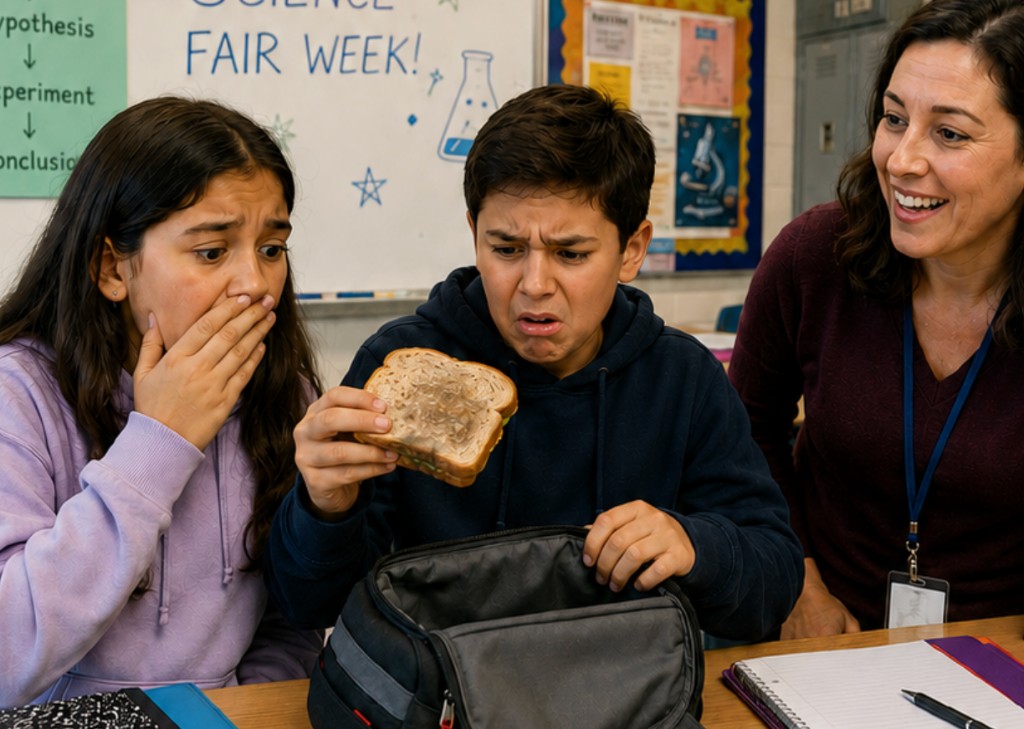
During Science Fair Week, Lila and Jay discover a forgotten sandwich covered in fuzzy patches. With help from Ms. Rivera and a microscope, they explore the invisible world of bacteria—how these tiny living things grow, why some spoil food, and how we can stay healthy.
Opening your story…
Maya and Arjun look at a drop of pond water with Mrs. Patel and discover how simple and compound microscopes help us see a tiny world of microorganisms that is invisible to our eyes.

In Grandma Rosa's sunny garden, two curious kids pull up a bean plant and discover tiny bumps on its roots—and learn how special bacteria help plants capture nitrogen from the air.
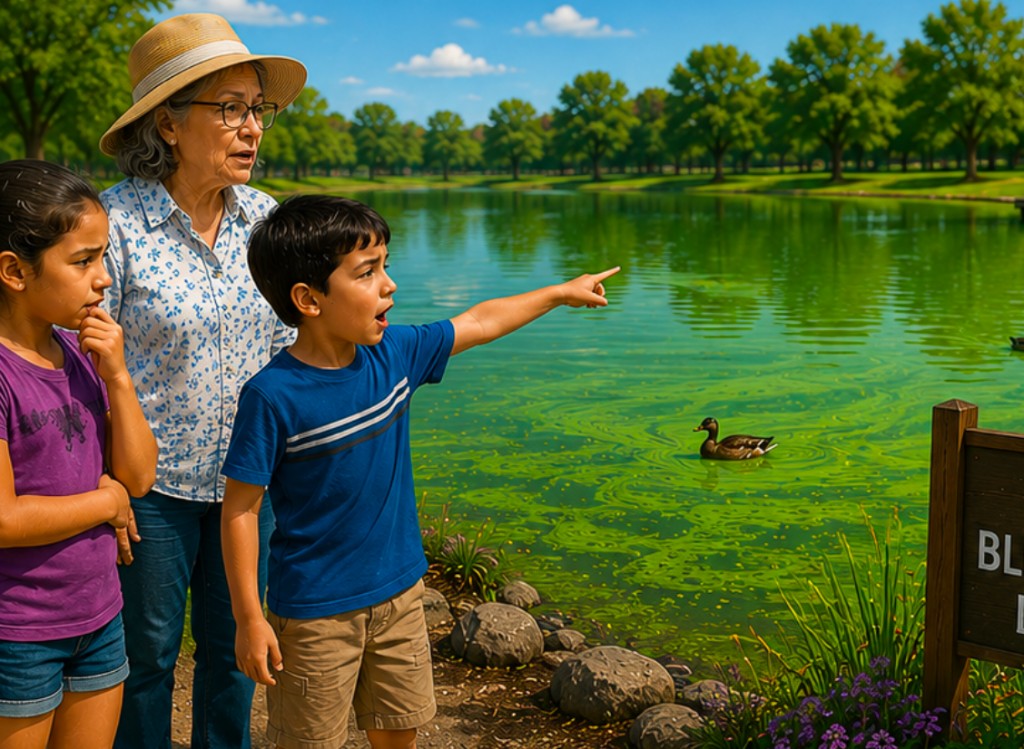
When a neighborhood pond turns bright green, two curious kids and Grandma June discover tiny algae, what causes algal blooms, and why too much algae can harm lake life.
Bacteria are tiny single-celled living organisms. Millions of them can fit on the tip of your finger. Most bacteria are harmless, and many are helpful, but some can spoil food or make people sick. Bacteria reproduce by binary fission. Antibiotics treat bacterial infections but do not work against viruses. We can stay healthy by washing hands, refrigerating food, washing produce, brushing and flossing, and throwing away spoiled food.
No written reviews yet.