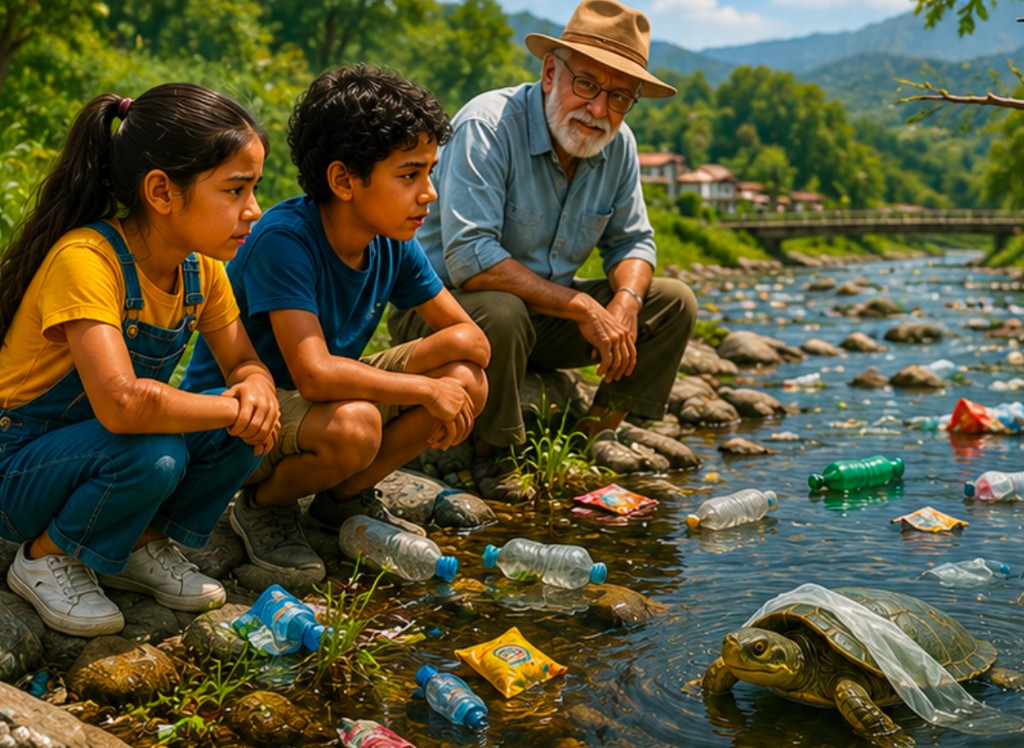
Cover of El río que no podía sonreír
Story languageEnglishEspañol
Earth ScienceContaminación por plásticos

El río que no podía sonreír

By Vaishnavi Renduchintala · Ages 8-15 Free

No reviews yet — be the first!

Maya y Leo visitan el pueblo ribereño del abuelo Arun y encuentran su río favorito lleno de basura plástica, y aprenden sobre la contaminación por plásticos.

Spanish version coming soon.

This story is not available in Spanish yet. You can keep reading in English, or check back soon for the Spanish PDF and quiz.

Spanish version coming soon.

This story is not available in Spanish yet. You can keep reading in English, or check back soon for the Spanish PDF and quiz.

English

People who read this book also read

Cover of The Treasure That Never Runs Out
Earth ScienceNatural Resources (Renewable & Non-renewable)

The Treasure That Never Runs Out

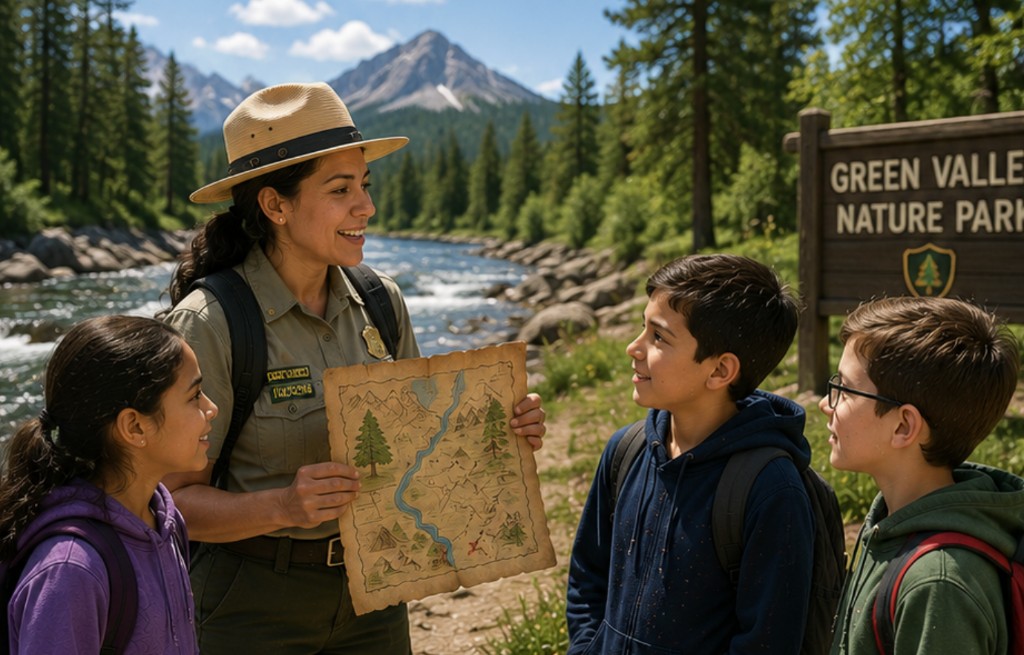
On Outdoor Learning Day, Lila and Jay follow Ranger Maya’s treasure map through Green Valley Nature Park. Along rivers, hills, fields, and forests, they discover that Earth’s real treasures are natural resources—and learn which ones can renew and which ones we must use wisely.
By Vaishnavi Renduchintala · Ages 8-15

FreePDFNo reviewsView More
Cover of The Wind That Came and Went
Earth ScienceSea Breeze and Land Breeze

The Wind That Came and Went

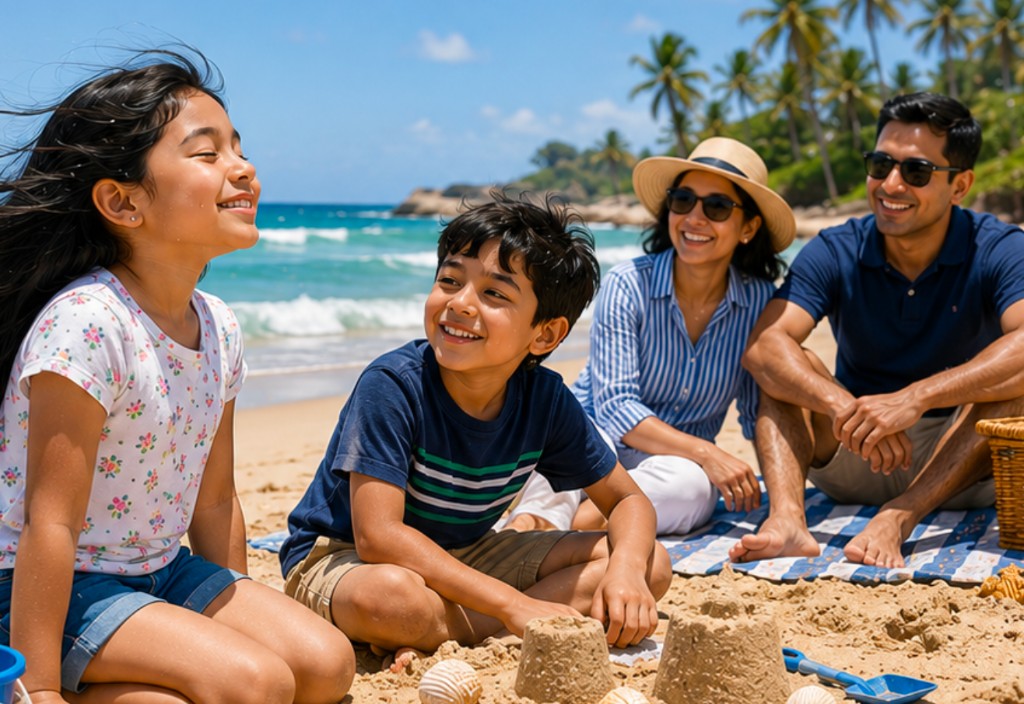
At a sunny beach, two curious kids feel the cool sea breeze in the afternoon and wonder where the wind goes at night—discovering how land and sea heat up differently and swap gentle breezes back and forth.

By Vaishnavi Renduchintala · Ages 8-15

FreePDF5.0 (1)View More
Cover of The Air that Loved to Climb
Earth ScienceWhy warm air rises and cool air sinks

The Air that Loved to Climb

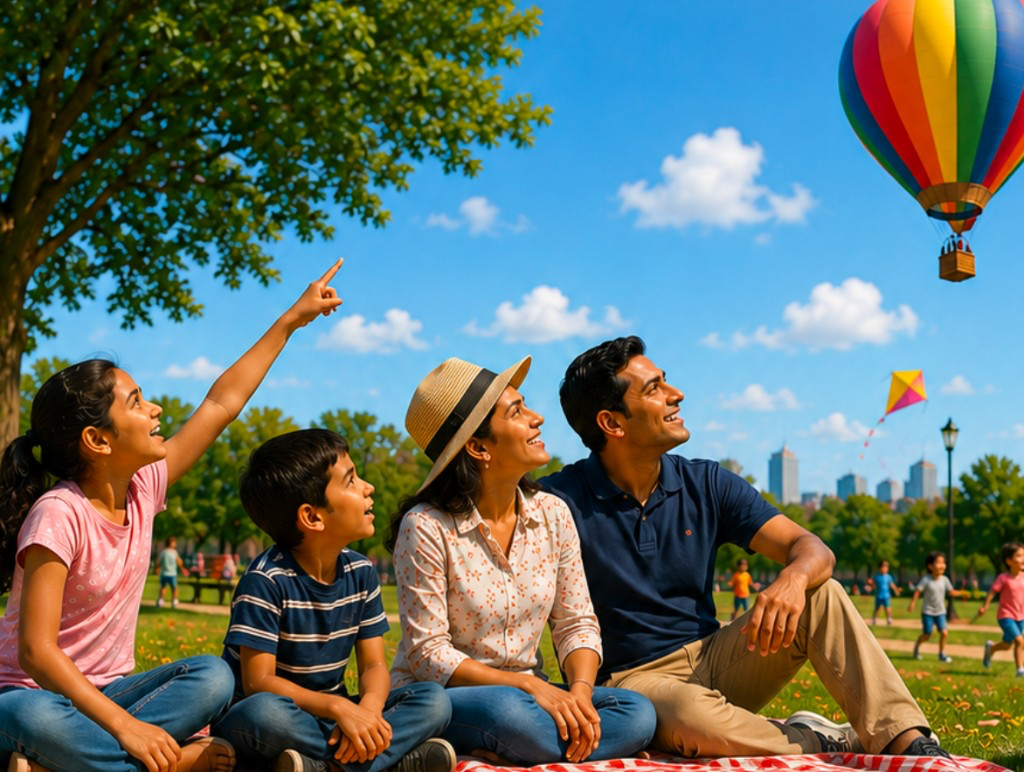
When a balloon floats upward and warm air curls toward the ceiling, two curious kids discover why air loves to climb—and how heat makes warm air rise while cooler air sinks.

By Vaishnavi Renduchintala · Ages 8-15

FreePDF5.0 (1)View More

🔬 Science Element

El plástico es útil porque es fuerte y dura mucho tiempo, pero el plástico tirado en la naturaleza no desaparece. Muchos objetos de plástico tardan cientos de años en descomponerse y poco a poco se convierten en pedacitos llamados microplásticos que pueden entrar en ríos, océanos, animales e incluso en nuestra comida. Los animales pueden comer plástico por error o quedar atrapados en él. Podemos ayudar reciclando, usando botellas y bolsas reutilizables, sin tirar basura, uniéndonos a limpiezas y recogiendo la basura.

Rate this story

Your rating (required)

Reader reviews

No written reviews yet.