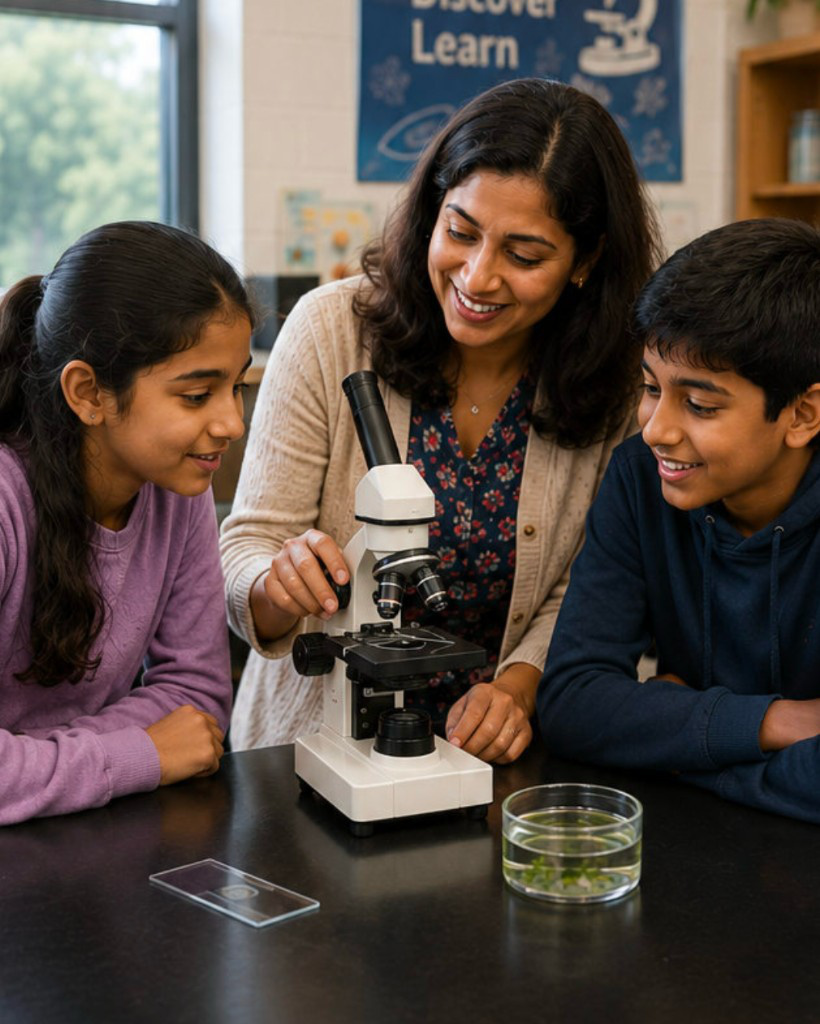
Types of Microscopes
Maya and Arjun look at a drop of pond water with Mrs. Patel and discover how simple and compound microscopes help us see a tiny world of microorganisms that is invisible to our eyes.

Science stories kids actually want to read
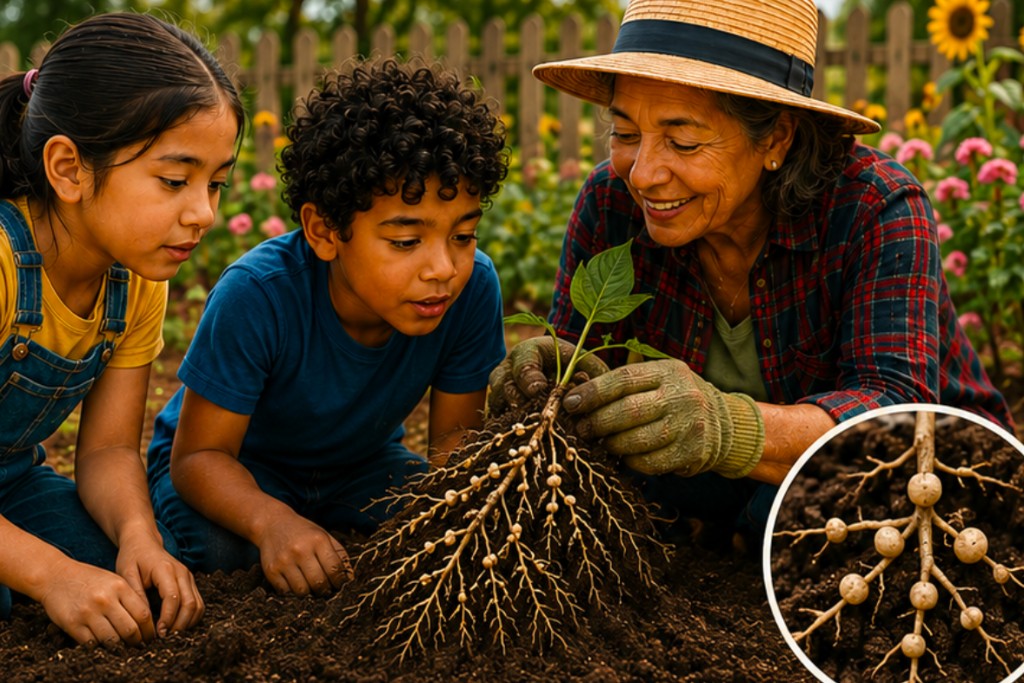
En el jardín soleado de la abuela Rosa, dos niños curiosos arrancan una planta de frijol y descubren la fijación del nitrógeno.
Spanish version coming soon.
This story is not available in Spanish yet. You can keep reading in English, or check back soon for the Spanish PDF and quiz.
Spanish version coming soon.
This story is not available in Spanish yet. You can keep reading in English, or check back soon for the Spanish PDF and quiz.
Maya and Arjun look at a drop of pond water with Mrs. Patel and discover how simple and compound microscopes help us see a tiny world of microorganisms that is invisible to our eyes.
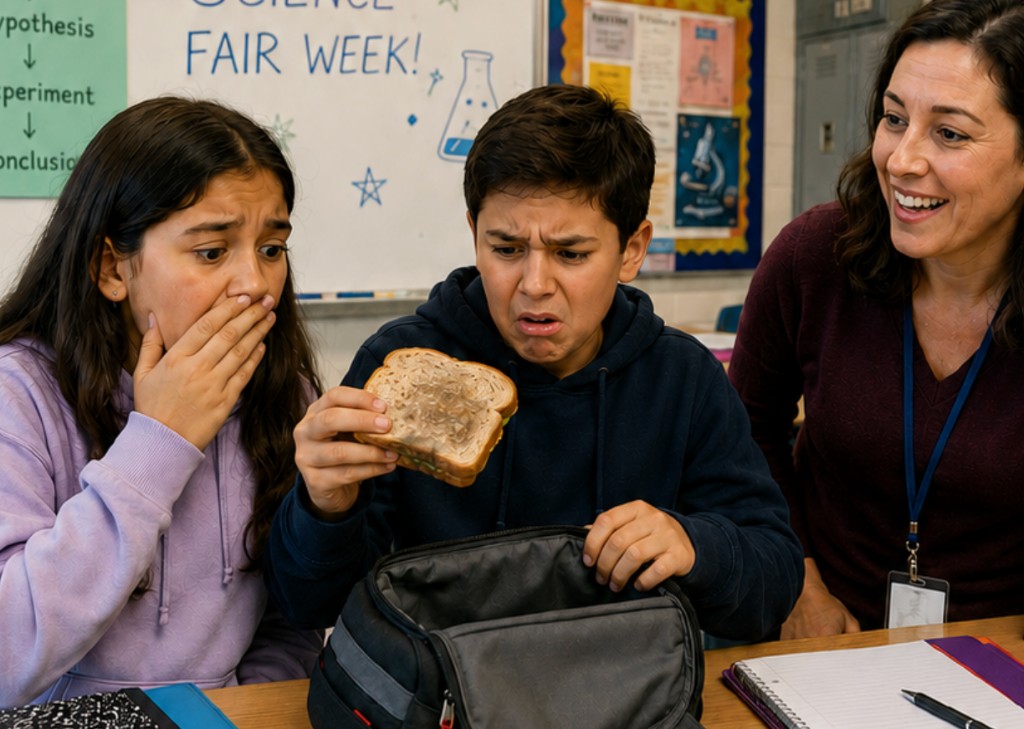
During Science Fair Week, Lila and Jay discover a forgotten sandwich covered in fuzzy patches. With help from Ms. Rivera and a microscope, they explore the invisible world of bacteria—how these tiny living things grow, why some spoil food, and how we can stay healthy.
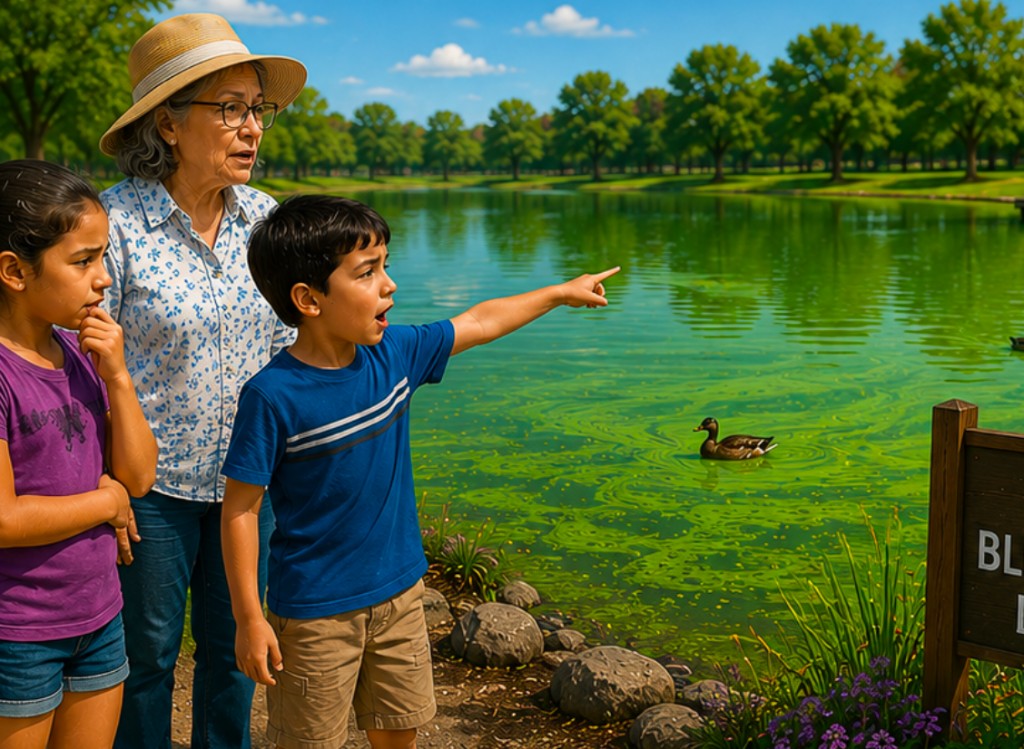
When a neighborhood pond turns bright green, two curious kids and Grandma June discover tiny algae, what causes algal blooms, and why too much algae can harm lake life.
Algunas plantas, como frijoles y guisantes, trabajan con bacterias útiles que viven en bultos llamados nódulos en sus raíces. Estas bacterias convierten el nitrógeno del aire en una forma que las plantas pueden usar. Este proceso se llama fijación del nitrógeno. Ayuda a las plantas a crecer fuertes y devuelve nitrógeno al suelo para otras plantas.
No written reviews yet.