
Cover of El viento que iba y venía
Story languageEnglishEspañol
Earth ScienceBrisa marina y brisa terrestre

El viento que iba y venía

By Vaishnavi Renduchintala · Ages 8-15 Free

5.0 out of 5 · 1 review

En una playa soleada, dos niños curiosos sienten la brisa marina por la tarde y la brisa terrestre por la noche, y descubren por qué el viento cambia.

Spanish version coming soon.

This story is not available in Spanish yet. You can keep reading in English, or check back soon for the Spanish PDF and quiz.

Spanish version coming soon.

This story is not available in Spanish yet. You can keep reading in English, or check back soon for the Spanish PDF and quiz.

English

People who read this book also read

Cover of The Treasure That Never Runs Out
Earth ScienceNatural Resources (Renewable & Non-renewable)

The Treasure That Never Runs Out

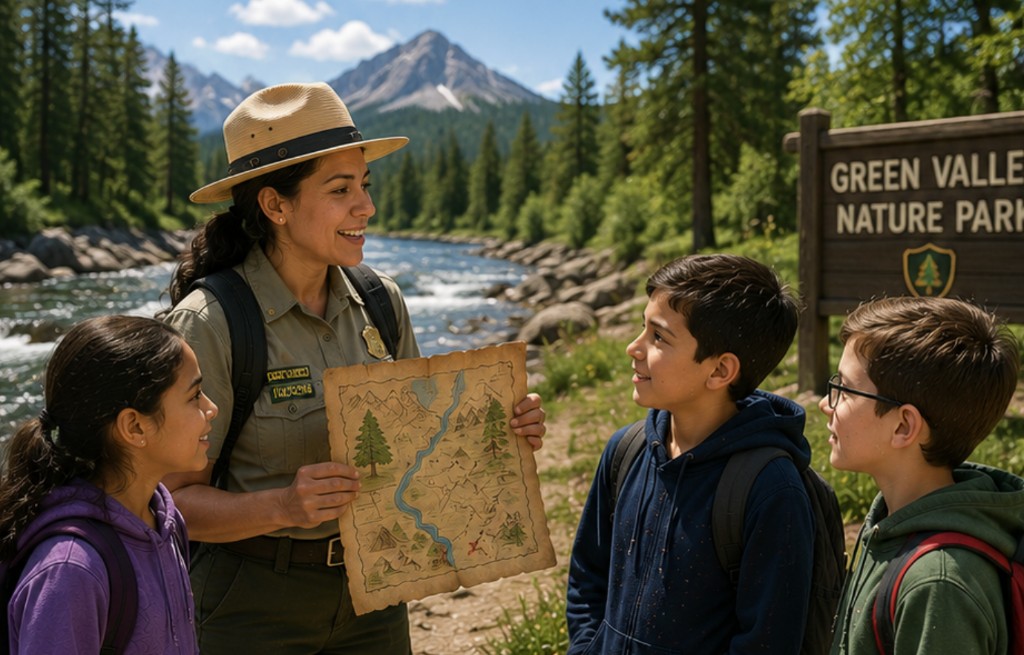
On Outdoor Learning Day, Lila and Jay follow Ranger Maya’s treasure map through Green Valley Nature Park. Along rivers, hills, fields, and forests, they discover that Earth’s real treasures are natural resources—and learn which ones can renew and which ones we must use wisely.

By Vaishnavi Renduchintala · Ages 8-15

FreePDFNo reviewsView More
Cover of The River That Couldn't Smile
Earth SciencePlastic pollution

The River That Couldn't Smile

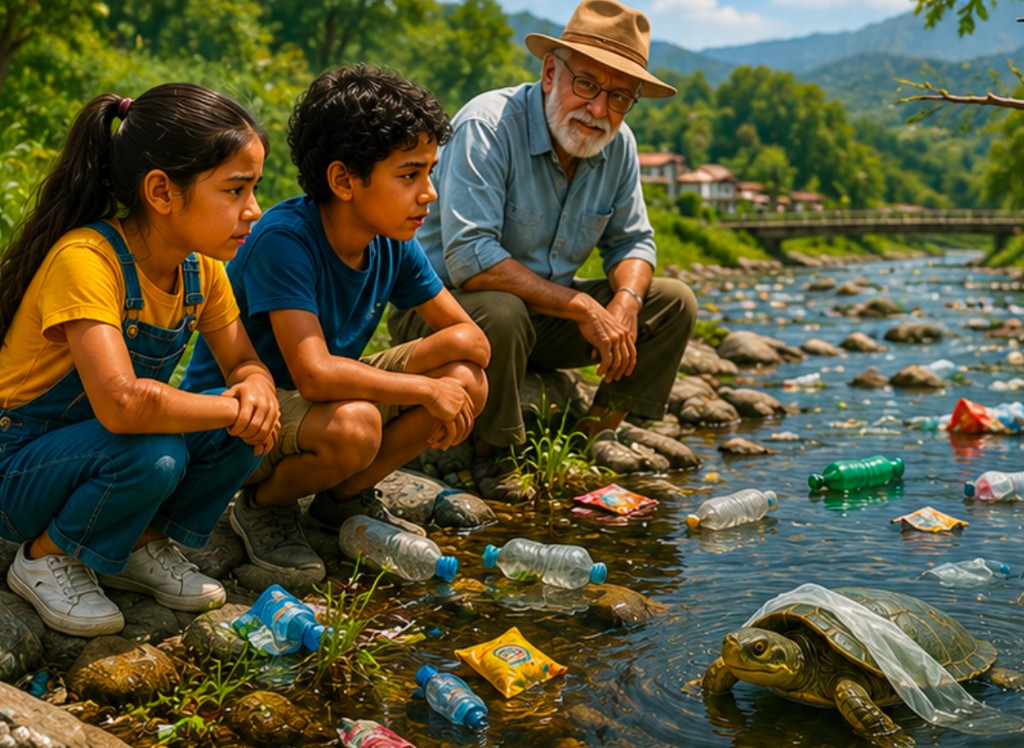
Maya and Leo visit Grandpa Arun’s riverside village and find their once-sparkling river choked with plastic. As they clean up and learn how litter harms wildlife, they discover plastic pollution often starts on land—and that people can help protect rivers and animals.

By Vaishnavi Renduchintala · Ages 8-15

FreePDFNo reviewsView More
Cover of The Air that Loved to Climb
Earth ScienceWhy warm air rises and cool air sinks

The Air that Loved to Climb

When a balloon floats upward and warm air curls toward the ceiling, two curious kids discover why air loves to climb—and how heat makes warm air rise while cooler air sinks.

By Vaishnavi Renduchintala · Ages 8-15

FreePDF5.0 (1)View More

🔬 Science Element

Durante el día, la tierra se calienta más rápido que el océano. El aire cálido sube sobre la tierra y el aire más fresco del mar entra a reemplazarlo: esta es la brisa marina. De noche, la tierra se enfría más rápido que el océano. El aire más frío y denso baja sobre la tierra y el aire más cálido del mar se mueve hacia la costa: esta es la brisa terrestre.

Rate this story

Your rating (required)

Reader reviews

  • Vaishnavi Renduchintala

    Rated without a written review.