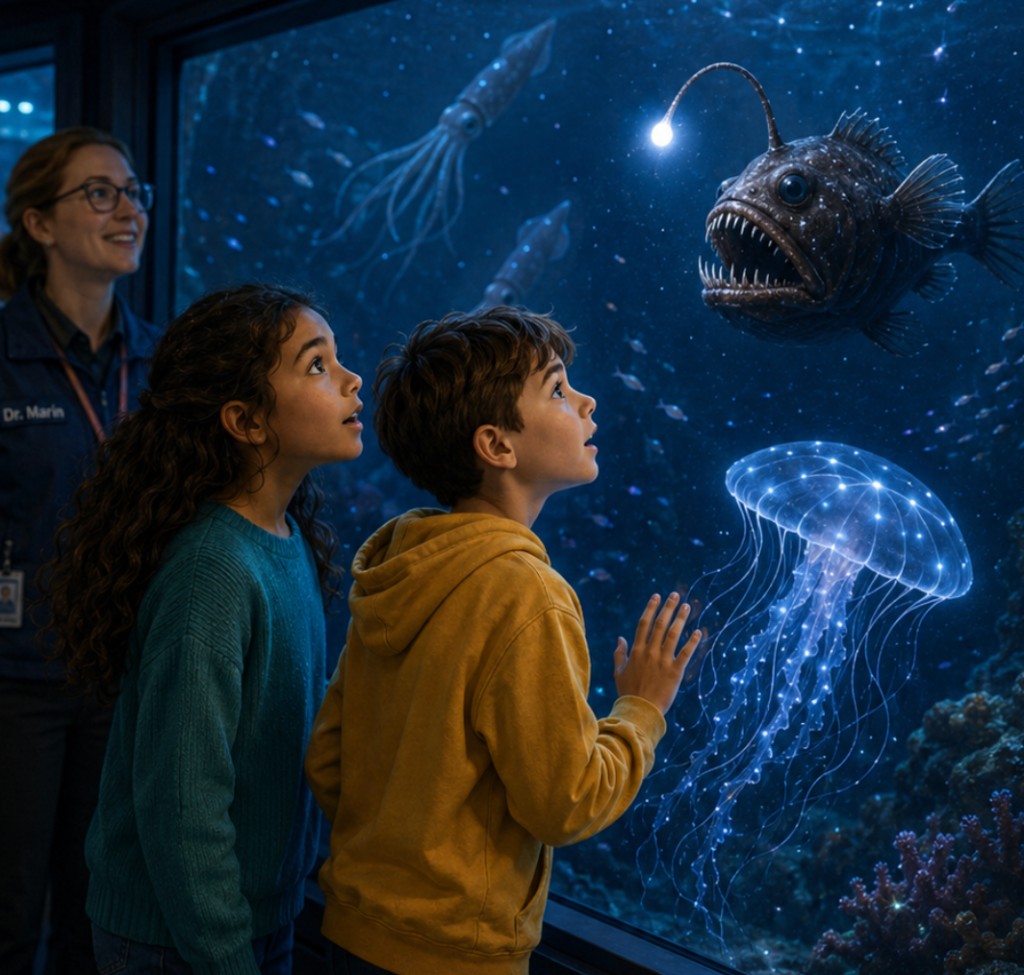
Cover of Las criaturas del mar de medianoche
Story languageEnglishEspañol
Earth ScienceEcosistema de aguas profundas

Las criaturas del mar de medianoche

By Vaishnavi Renduchintala · Ages 8-15 Free

No reviews yet — be the first!

Cuando un buceo nocturno vuelve misterioso el océano, dos niños curiosos descubren el ecosistema de las profundidades.

Spanish version coming soon.

This story is not available in Spanish yet. You can keep reading in English, or check back soon for the Spanish PDF and quiz.

Spanish version coming soon.

This story is not available in Spanish yet. You can keep reading in English, or check back soon for the Spanish PDF and quiz.

English

People who read this book also read

Cover of The Treasure That Never Runs Out
Earth ScienceNatural Resources (Renewable & Non-renewable)

The Treasure That Never Runs Out

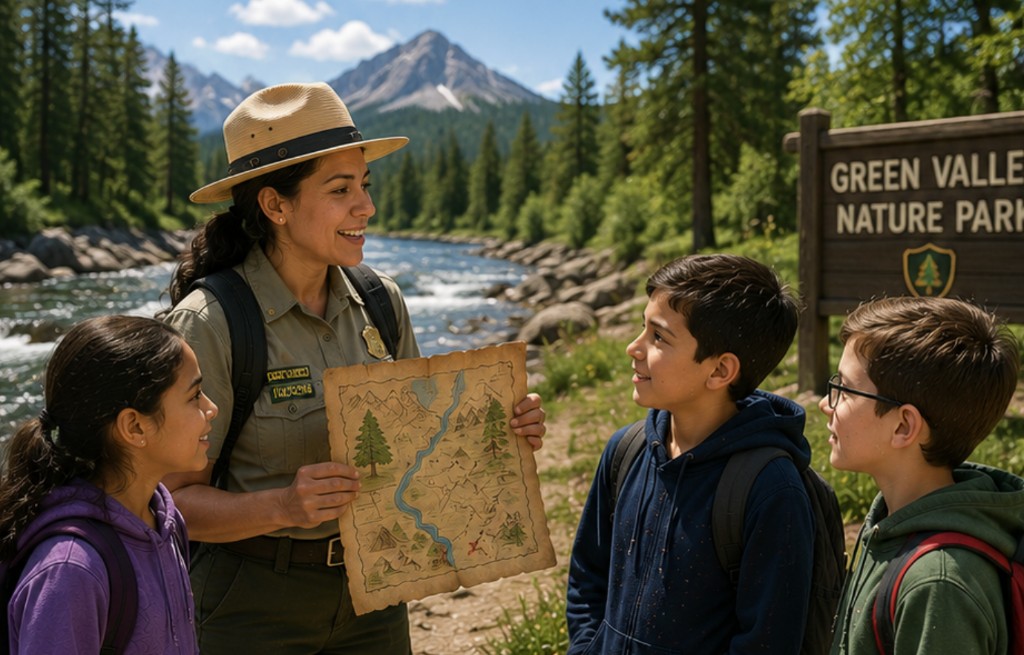
On Outdoor Learning Day, Lila and Jay follow Ranger Maya’s treasure map through Green Valley Nature Park. Along rivers, hills, fields, and forests, they discover that Earth’s real treasures are natural resources—and learn which ones can renew and which ones we must use wisely.

By Vaishnavi Renduchintala · Ages 8-15

FreePDFNo reviewsView More
Cover of The River That Couldn't Smile
Earth SciencePlastic pollution

The River That Couldn't Smile

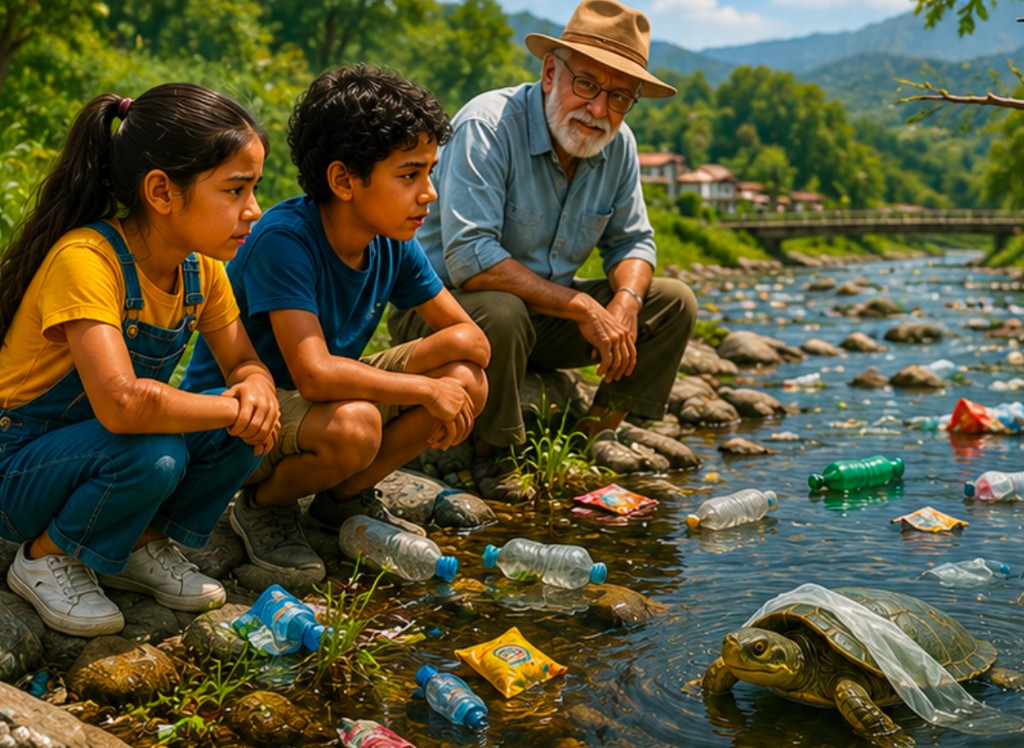
Maya and Leo visit Grandpa Arun’s riverside village and find their once-sparkling river choked with plastic. As they clean up and learn how litter harms wildlife, they discover plastic pollution often starts on land—and that people can help protect rivers and animals.

By Vaishnavi Renduchintala · Ages 8-15

FreePDFNo reviewsView More
Cover of The Wind That Came and Went
Earth ScienceSea Breeze and Land Breeze

The Wind That Came and Went

At a sunny beach, two curious kids feel the cool sea breeze in the afternoon and wonder where the wind goes at night—discovering how land and sea heat up differently and swap gentle breezes back and forth.

By Vaishnavi Renduchintala · Ages 8-15

FreePDF5.0 (1)View More

🔬 Science Element

Muchas criaturas de las profundidades marinas están activas de noche y usan bioluminiscencia — luz hecha por seres vivos — para encontrar comida, esconderse de depredadores y comunicarse en el océano oscuro.

Rate this story

Your rating (required)

Reader reviews

No written reviews yet.